
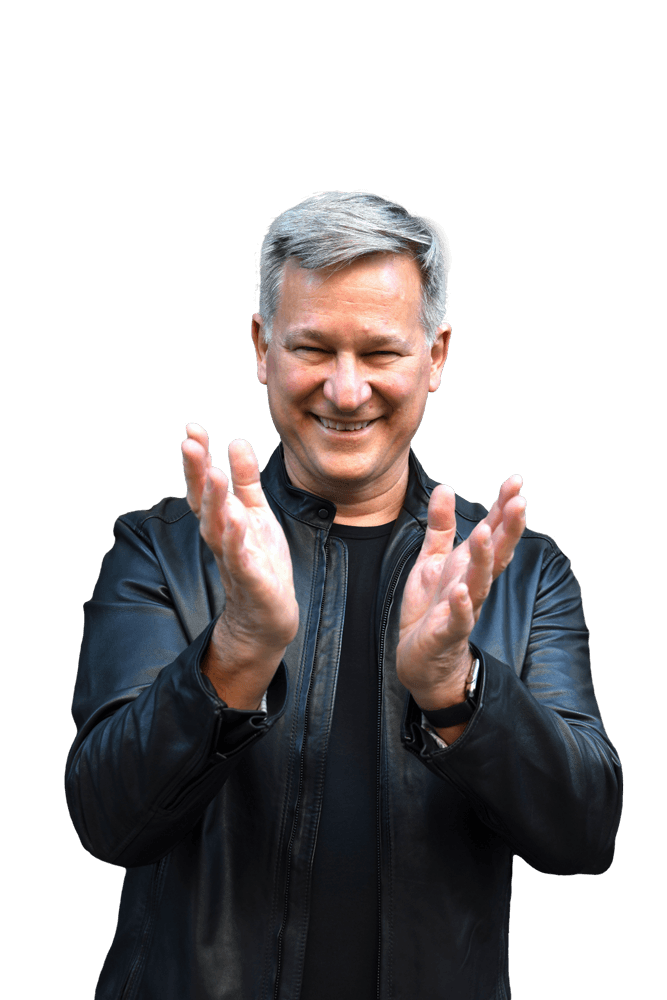
The Futurists
Substack Articles
KEYNOTE SPEECHES
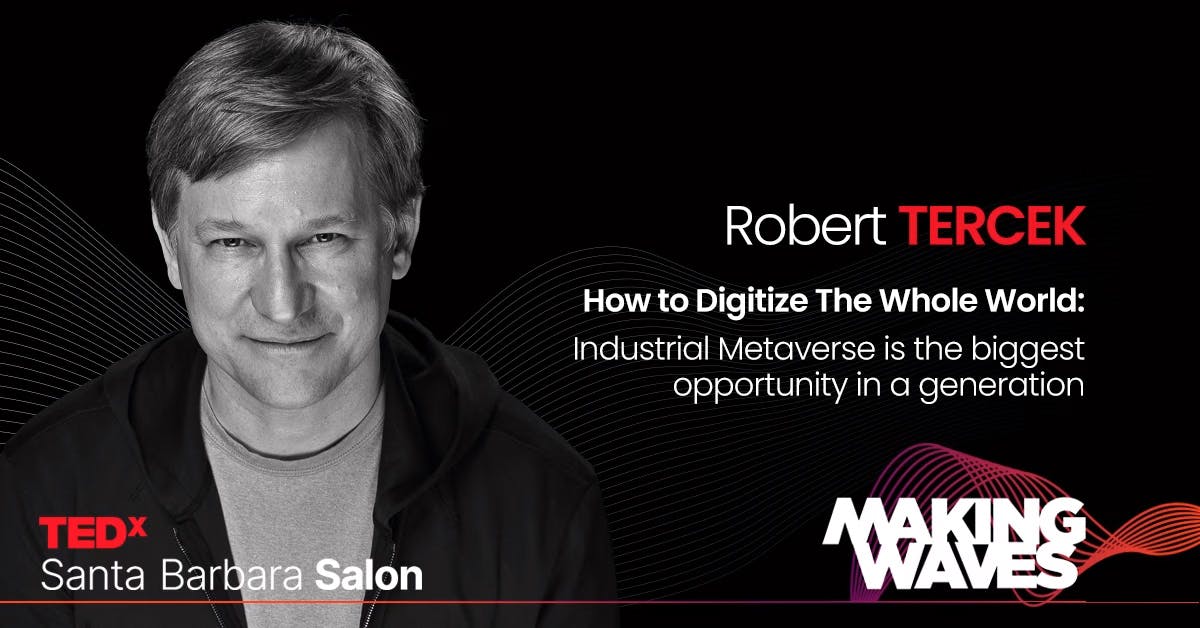
How to Digitize The Whole World
The confluence of several now-mature technologies, including private 5G networks, real-time 3D tools, the Internet of Things, sensor networks, big data, and game engines, means that we can now build high-fidelity models of the real world. Around the world, cities and industrial concerns are launching digital twins of real-world infrastructure. Unlike the consumer Metaverse, which is designed as a platform for communication and entertainment, the Industrial Metaverse is a tool for obtaining greater efficiency and optimal performance from real-world operations in many fields: transportation, air travel, public safety, environment resource management, traffic planning, real estate development and construction, precision manufacturing, defense, energy and much more. Robert Tercek has been designing and building digital twin solutions for a decade. In this session, he will acquaint the audience with the state of the art.
watch now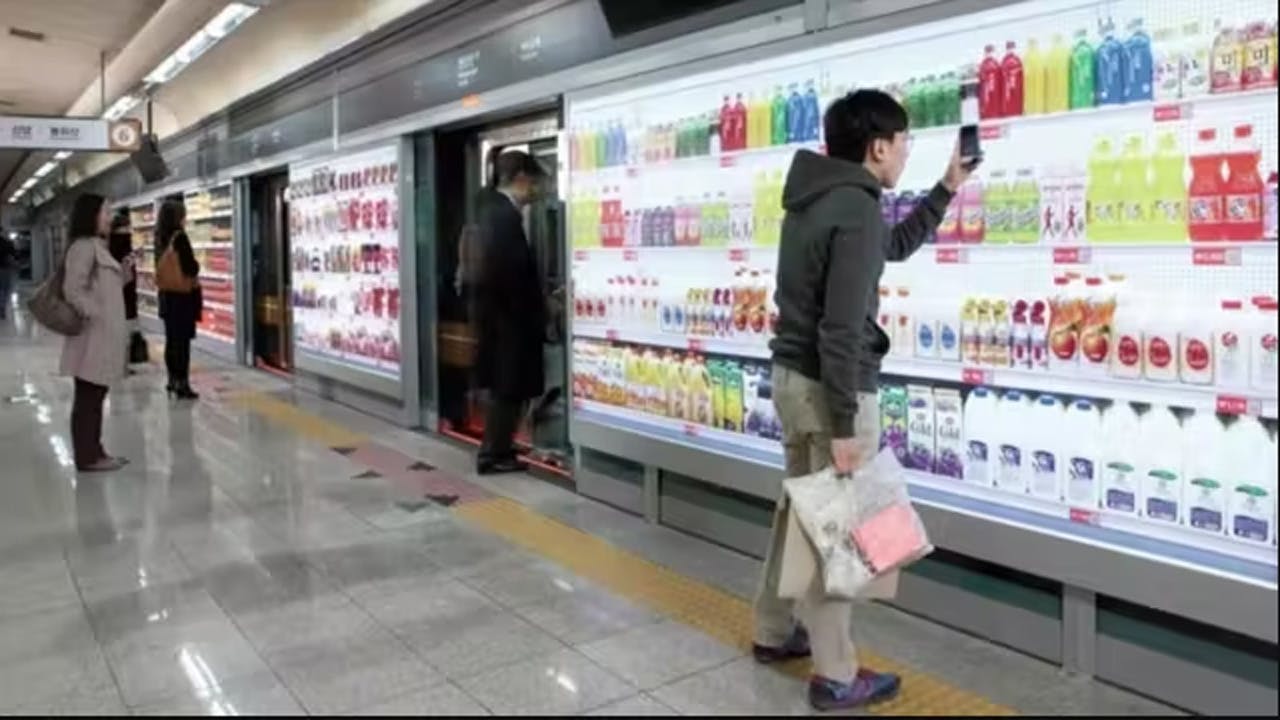
THE RISE OF DIGITAL SERVICES
Every person in this audience of 5000 small business owners is keenly aware of the challenges presented by digital transformation. The question is: what are you planning to do about it? Keynote speaker Robert Tercek contends that every business today must design, launch and expand a digital service by unlocking the information value that is embedded in physical goods and traditional processes.
watch now
Education Beyond the Machine Age
Innovation in education systems tends to occur rather slowly, at the stately pace of big government institutions. But innovation in the economy is happening at a rapid clip, and by some measures it is accelerating. In particular, technologies that will displace workers (robotics, automation, artificial intelligence, virtualization, remote communication, telepresence, collaboration) are improving much faster than the economy can create new jobs.
watch now
Is Television Being Disrupted - Of course it is!
This talk examines the many new developments outside of the TV industry that have undermined the old ecosystem and replaced it with a new, far more volatile ecosystem. If you pine for a new TV ecosystem, or if you are fed up with the old pay TV system, you'll enjoy this talk very much.
watch now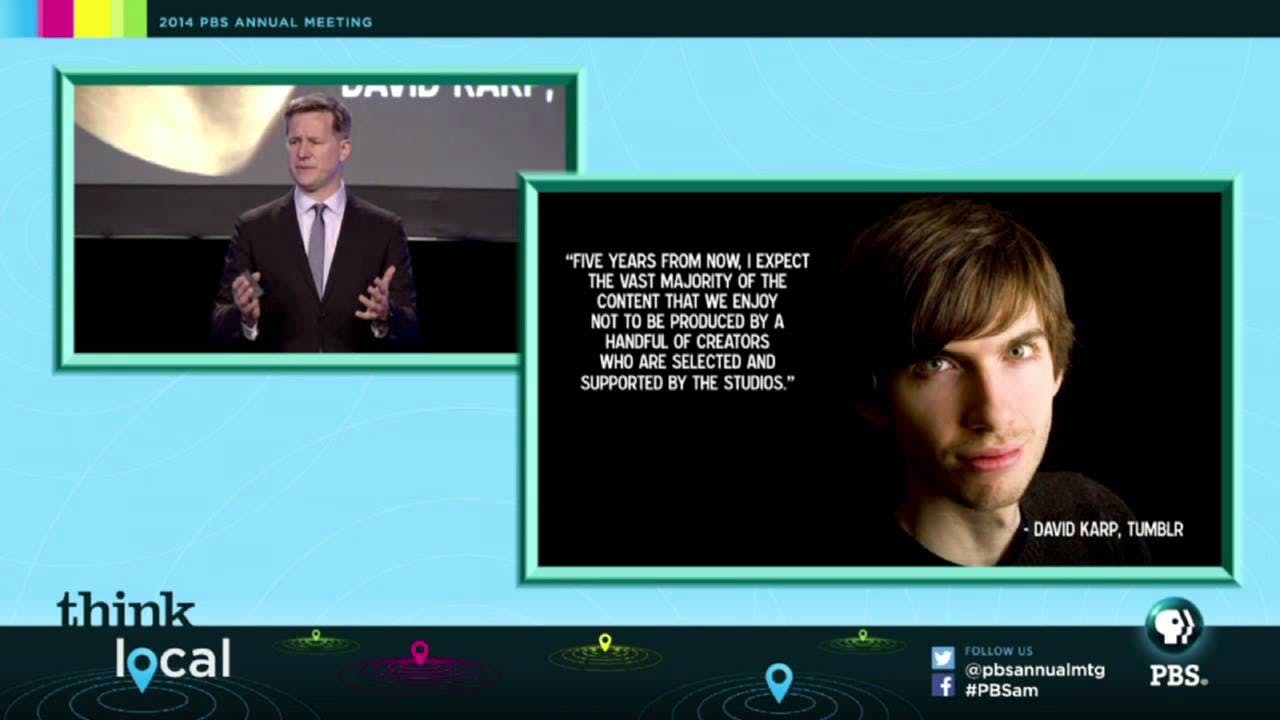
PBS and The Future of Television
How will Public Broadcasting be affected by turmoil and transformation in the commercial TV industry? The speech begins at 5:28 after the introductory video clip about PBS Digital.
watch nowWhat they say about Robert
,,
HE IS A DIPLOMAT, BRIDGE-BUILDER AND AN EVANGELIST
Rob helps us immeasurably. He is a diplomat, a bridge-builder and a great evangelist. I trust him to speak to prospective customers and ecosystem partners and to interview our new hires. I’ve never met a more dynamic speaker who can conjure up a vision of the near future that is so compelling that it converts every one to true believers. If you are considering adding a Board member or a strategic advisor to your company, I completely trust, rely on, and highly recommend Robert Tercek and his firm General Creativity.
Frank Chindamo
,,
HE IS A GREAT SOURCE OF INSPIRATION
I trust Rob Tercek and his firm, General Creativity, and I would recommend him to every board of directors and leadership team that can benefit from an independent external expert opinion to shape priorities in digital strategy and planning. His enthusiasm is infectious, and he is a great source of inspiration.
Jeff Sotzing
,,
Make Your Enterprise Better and Smarter
Engage this man (if you can) to consult to your company at length, or even to take the most cursory glance, at whatever you are endeavoring. Robert Tercek will make your enterprise better, smarter and more profitable.
Carl Bressler
,,
Lucid, Knowledgeable, Uncanny
Rob is one of the most lucid, knowledgeable and charismatic new media executives I have encountered. He also has an uncanny ability to instantly recognize the market potential of a new application or business which would be too impenetrable to most.
Anthony Stonefield
,,
Phenomenal Expertise and Vision
Rob was a great and close partner for us. He brought phenomenal technical expertise and vision, and he also brought an excitement and fun to doing business together. To his personal credit the business was always done as a highly professional, open, fair and mutually beneficial partnership. Highly recommended!
Tim Chambers
,,
If You Crave Original Thought, He’s Your Man!
Rob is utterly inspiring, extremely visionary, very knowledgeable, with humiliating scope, international awareness across many different cultures and great fun to work with on top. If you need insight, if you crave for original thought, if you dare thinking beyond just the next step, he is your man!
Volker Hirsch
,,
Spontaneous Applause From the Floor
Robert Tercek ranks among the very best speakers I’ve ever encountered. His speeches on the topics of innovation and creativity have influenced industry leaders in many parts of the world. Mr Tercek is an electrifying public speaker. His passion for the subject matter is infectious. Several times his comments were punctuated by spontaneous applause from the floor.
John Kilcullen
,,
Robert Tercek Is A Top Tier Professional
JD Power had a great experience working with keynote speaker Robert Tercek. I am proud to give him my highest recommendation to any event planner. Rob is a top tier professional who put in a lot of extra effort into developing original material that was customized for our audience. At J.D. Power, we know what excellence looks like, and Rob Tercek is an excellent keynote speaker and emcee.
Thomas Bontempo
,,
We Got Excellent ROI From Our Work With Rob
I strongly recommend Robert Tercek of General Creativity to any organization that is preparing for big changes. He can engage with your leadership team to address major changes and challenges. He offers incisive strategic thinking and a unique ability to express complex ideas in plain language. I believe that Rob can help any company deeply examine the scope, scale and pace of digital transformation.
John Riccitiello
,,
Deep thinking about our digital world
Robert Tercek is a technological provocateur. His book provides deep thinking about our digital world and its monumental possibilities in ways that you probably haven't ever considered.
Jarl Mohn
,,
Tercek’s urgent manifesto will help you see the future
If you’re in the information business (and we all are in the information business), Tercek’s urgent manifesto will help you see the future, so you can prepare for it.
Seth Godin
,,
An Exciting And Inspiring Ride
Rob is inspiring to work with. Just hearing the passion in his voice and literally watching his mind work makes anyone in the creative world jealous. It is an exciting ride to work with Rob. You can’t help but to follow his vision.
Jeff Kelly
,,
One of the Brightest and Most Energetic Executives
Robert is one of the brightest and most energetic executives I have had the pleasure of working with in my entire career. He is very well informed, he has vision and he is always looking for ways to make his efforts and those of his team the most successful in his industry. He is very worthwhile knowing and meeting. Collaborating with him will be rewarding.
Conrad Prusak
,,
A Visionary and an Inspiration
Robert is truly a visionary and an inspiration. He has a gift for always being one-step ahead of the pack. Follow Robert's lead and you follow the future. I look forward to collaborating with Robert again.
Brian Selzer
,,
Valued Strategic Authority
Rob is a pronounced thought leader in mobile and digital entertainment environments. I have consistently valued his strategic authority. He is the Steve Jobs of mobile, and the first person I call in the space.
Adrian Sexton
,,
Rare Qualities
Robert is quite simply one of the most inspiring people I have worked with and is a true visionary in every sense of the word. He really is a unique individual –someone who is well known and respected throughout the entire interactive industry. I feel extremely privileged to have worked with him. He was always ready to listen to new ideas and is one of those people whose finger is not only on the pulse but is the pulse!
James Kaye
,,
HIS WORK REDEFINED TV
The label 'creative' has become so commonplace that it's lost its impact, but Robert is the real deal: his spark electrified every project at MTV. There were awards & accolades, but for me, the greatest accomplishment is how his work redefined the way TV was presented in Asia and opened the eyes of an Asian generation of 3 billion when satellite TV first beamed across Asia in 1991.
Kenn Delbridge
,,
Inspirational
Robert, your talk was inspirational. Mythology, metaphor, magic, mystery -as you said so eloquently in your talk -give us the tools to nourish our selves as we play. Great, great stuff.
Michael Fergusson
,,
He Inspired Me
Robert is the reason I am in new media. After hearing him speak at a digital event many years ago, he inspired me to want to contribute to the industry. 8 years later I am still launching services in the new media sector. Thank you Robert.
Karl Woods
,,
Passion + Clarity
Rob Tercek prepared special presentation for several Billboard digital entertainment events, including the Digital Entertainment Expo and Mobile Entertainment Live. He consistently brings both passion and clarity of ideas to each appearance, which have included both solo presentations, moderating duties and panel appearances.
Antony Bruno
,,
Deep and Relevant Insights Into the Future
It is rare that you find a speaker like Robert who is able to cover a broad topic, put recent developments into an historical context and provide deep and relevant insights into what factors will drive the industry’s future. Further, his speeches contain analysis backed up by solid research and market data, utilize rich multimedia graphics, and are delivered with infectious high energy and passion.
Ned Sherman
,,
Technically Insightful and Visually Stunning
Robert Tercek delivered a talk at the 2011 Storage Visions Conference that was as technically insightful as it was visually stunning. The talk was delivered with great enthusiasm and covered a wide span of historical and contemporary technologies and trends to show how the world is undergoing an enormous "Information Transformation" that is enabled by and initiates vast new networking, processing and storage advances.
Dr. Thomas Coughlin
,,
He conveys magic and power through his words
His content, full of surprising references, was compelling, and the structure and exciting story of his lecture were remarkable. But most of all, what came across to the audience was his profound wisdom about life with all its failures and successes and the attendant lessons. Robert is a top level speaker who affects you so deeply that you will never forget his words.
Claudia Jericho
,,
HE LIT UP THE ROOM
Robert Tercek commands the respect of the global media industry, his peers, and countless conference attendees who have heard him speak. What sets him apart is that rare combination of visionary thinking, hard won practical insight, and tireless passion for the way media shapes our world.
Simon Mainwaring
,,
The Audience Responded With A Standing Ovation
Robert Tercek's speech at the Humanity+ Conference at Harvard University was excellent. Tercek provided valuable insight, a fresh perspective, and useful examples, all in an entertaining format. He worked closely with the event organizers to tailor his talk to the target audience; and the audience responded with a standing ovation and tremendous positive feedback. We were very lucky to have him!
David Orban
Get in touch
Event planners:
Looking for a keynote speaker on future trends or an MC for your next event?
Editors:
Would you like me to write an article or opinion piece?
Podcasters:
Would you like me to be a guest on your show?
Educators:
Would you like me to give a guest lecture or Q&A?
Processing ...
Thank You for your Submission